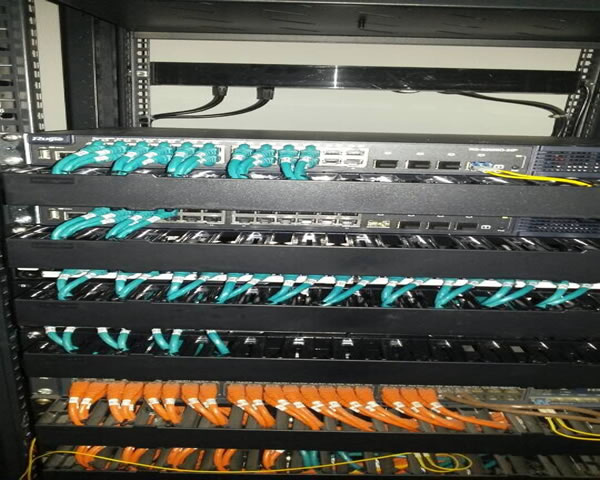
this article provides practical suggestions for multi-computer room disaster recovery and drills for cloud server disaster recovery solutions in singapore and hong kong, helping enterprises to formulate executable disaster recovery strategies from the aspects of architecture, synchronization, network and drill processes, taking into account availability and compliance.
why is it necessary to deploy cloud server disaster recovery in singapore and hong kong?
as important nodes in the asia-pacific, singapore and hong kong are responsible for cross-border traffic and data exchange. deploying cloud server disaster recovery solutions in both places can reduce single point failure risks, improve business continuity, meet regional regulations and data sovereignty requirements, and enhance customer trust and competitiveness.
key points of multi-computer room disaster recovery architecture design
multi-computer room disaster recovery design requires clear primary and secondary roles, data replication methods and failover strategies. it is recommended to adopt a layered design, deploy core services and non-critical services separately, design automated fault detection and switching processes, and ensure that the bandwidth and latency across computer rooms can meet the rpo/rto indicators.
active-active versus active-standby deployment
active-active provides higher availability and load balancing, but is complex to implement and requires high consistency; active-standby deployment is simple to implement and cost-controllable, but the switching window is large. the selection mode should be based on a comprehensive assessment of business importance, cost budget, and network conditions.
data replication, synchronization and consistency strategies
the data layer should set rpo/rto goals and choose an appropriate replication method: asynchronous replication reduces the impact of latency, and strong synchronization ensures consistency but is limited by network latency. design cold backup, hot backup and incremental backup strategies for database and file storage respectively to ensure that recovery verification can be implemented.
network and dns disaster recovery practical suggestions
at the network level, cross-machine room redundant links, sd-wan or multi-exit strategies must be planned, as well as global or regional dns switching solutions. dns ttl settings, health checks, and traffic switching rules must be linked with fault automation processes to ensure that user experience is minimized during switching.
disaster recovery drill process and frequency recommendations
drills should be performed at different levels, including desktop drills, partial switchover drills, and full fault recovery drills. it is recommended to conduct business-critical link drills quarterly and complete drills annually. the drill results should be incorporated into the improvement plan, and problems discovered should be dealt with in a closed loop and documents should be updated.
monitoring, alarm and sla management
establish a unified monitoring and alarm system across computer rooms, covering link, host, service and business level indicators. develop a clear sla and fault response process, combine automated recovery scripts to improve response speed, and regularly review sla achievement to drive continuous optimization.
compliance, security and data sovereignty considerations
deploying disaster recovery in singapore and hong kong must comply with local regulations, privacy and data retention requirements. encrypt data in transmission and at rest, clarify responsibility boundaries and access control, and retain audits and logs for compliance inspection and evidence collection.
operation and maintenance and cost optimization suggestions
in terms of operation and maintenance, it is recommended to use infrastructure as code and automated deployment to reduce human errors, and combine on-demand expansion and contraction with resource tag management to achieve cost visualization. balance availability goals and investment costs through simulation exercises and indicator-driven continuous optimization.
post-exercise evaluation and improvement mechanism
an evaluation report should be formed after each drill, recording the timeline, problem list and root cause analysis, and formulating a rectification plan. incorporate improvement items into version control and change management to ensure that the next drill will verify the repair effect and achieve continuous improvement in disaster recovery capabilities.
summary and suggestions
for the singapore and hong kong cloud server disaster recovery plan, it is recommended to drive architecture selection based on business priorities, clarify rpo/rto, and implement verifiable multi-machine room disaster recovery and regular drills. combine automation and compliance requirements to establish a closed-loop improvement mechanism to ensure disaster recovery is available, measurable and sustainable.
- Latest articles
- Popular tags
-

How To Choose The Appropriate Configuration To Build A Singapore Private Vps To Meet Security Compliance Requirements
guide: how to choose the appropriate configuration to build a private vps in singapore, covering key points such as compliance requirements, performance configuration, network and backup, security reinforcement and operation and maintenance, etc., to help enterprises deploy a compliant and secure vps in singapore. -

Advantages And User Feedback Of Tianxia Data Singapore Cloud Server
explore the advantages and user feedback of tianxia data singapore cloud server to understand its performance, security and customer service. -
How To Use Singapore Vps Bitcoin To Purchase And Quickly Deploy Websites And Services
for users who value privacy and low latency, this article introduces how to use singapore vps bitcoin to purchase and quickly deploy websites and services, covering preparations, payment processes, security configuration and automated deployment points.